
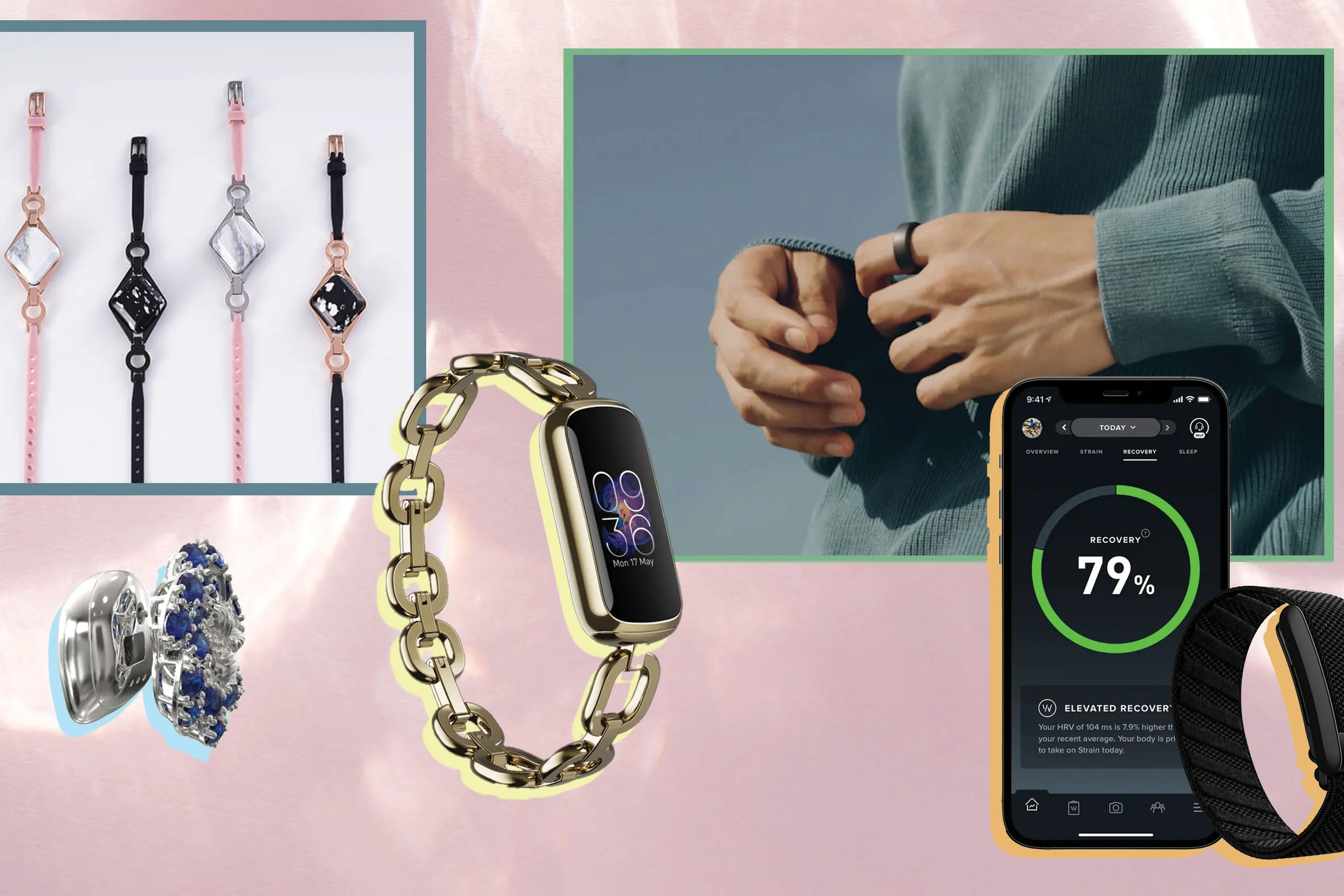

The wearable technology market has undergone a radical transformation over the last decade. What began as bulky, plastic wristbands designed purely for fitness enthusiasts has evolved into a sophisticated industry where aesthetics are as vital as the sensors embedded within. As we look toward the future, the most significant frontier in this evolution is smart jewelry. By blending the timeless appeal of fine jewelry with the cutting-edge capabilities of medical-grade health tracking, designers are creating a new category of accessories. These pieces do not just complement an outfit; they provide a continuous, unobtrusive window into the wearer’s physiological well-being.
The Aesthetic Evolution of Wearable Tech
For years, the primary barrier to the widespread adoption of wearable technology was the “gadget” look. Early smartwatches and trackers often felt out of place in formal settings or with professional attire. Smart jewelry solves this problem by prioritizing the form factor first. The future of this industry lies in materials that consumers already love: sterling silver, 14k gold, semi-precious stones, and high-quality ceramics.
Engineers are now able to miniaturize components to such an extent that advanced sensors can be hidden inside a cocktail ring, a delicate pendant, or a pair of classic hoop earrings. This shift allows technology to become “invisible.” When the tech is hidden, the wearer no longer feels like they are wearing a piece of equipment. Instead, they are wearing a piece of art that happens to be intelligent. This integration is crucial for long-term user retention, as people are more likely to wear a device consistently if it aligns with their personal style and self-expression.
Advanced Health Monitoring Beyond Step Counting
While early wearables focused on basic metrics like steps taken or calories burned, the future of smart jewelry is centered on deep, actionable health insights. The proximity of jewelry to the skin—specifically at pulse points like the finger or the neck—makes it an ideal vehicle for high-fidelity data collection.
Cardiovascular Insights
Smart rings are leading the charge in heart health. Using photoplethysmography (PPG) technology, these devices can monitor heart rate variability (HRV), resting heart rate, and even blood oxygen levels (SpO2) with remarkable accuracy. HRV is a particularly powerful metric, as it serves as a proxy for the nervous system’s health, indicating how well a person is recovering from stress or physical exertion.
Sleep Architecture and Recovery
Because rings and lightweight bracelets are more comfortable to wear during sleep than bulky watches, smart jewelry is becoming the gold standard for sleep tracking. Future devices will provide detailed breakdowns of sleep stages, including REM, light, and deep sleep, while also monitoring breathing disturbances. This data allows users to make lifestyle adjustments that improve cognitive function and physical energy levels.
Stress and Emotional Well-being
One of the most exciting developments in smart jewelry is the focus on mental health. Some emerging pieces use galvanic skin response (GSR) sensors to detect changes in sweat gland activity, which is a physiological indicator of stress. By alerting the wearer to rising stress levels through a subtle vibration or a smartphone notification, the jewelry can prompt mindful breathing exercises or a momentary break, effectively acting as a digital wellness coach.
Women’s Health and Hormonal Tracking
The smart jewelry sector has found a particularly strong foothold in women’s health. Traditional health trackers often ignored the complexities of the female endocrine system, but smart jewelry is filling that gap.
Many smart rings and pendants now include high-precision temperature sensors that can track minute fluctuations in basal body temperature. This data is invaluable for menstrual cycle tracking, fertility planning, and even detecting early signs of illness. By correlating temperature data with heart rate and sleep patterns, these devices can provide a comprehensive view of how hormonal shifts affect overall health. This level of personalized data empowers users to understand their bodies in a way that was previously only possible through frequent clinical visits.
The Intersection of Safety and Connectivity
Beyond health, the future of smart jewelry incorporates personal safety and streamlined connectivity. For many, jewelry has always been a symbol of protection, and technology is giving that concept a modern upgrade.
-
SOS and Emergency Alerts: Many smart necklaces and bracelets now feature hidden buttons that, when pressed, send a GPS location and an emergency alert to designated contacts. This provides peace of mind for solo travelers or late-night commuters without the need to reach for a phone.
-
Haptic Notifications: To reduce screen time, smart jewelry uses haptic feedback—subtle vibrations—to filter notifications. You can set your jewelry to vibrate only when a specific person calls or when a vital calendar event is approaching, allowing you to stay present in social situations while remaining connected.
-
Contactless Payments: Future designs are integrating Near Field Communication (NFC) chips into rings, allowing for “wave-to-pay” functionality. This turns a wedding band or a signet ring into a secure, convenient digital wallet.
Challenges in Engineering and Sustainability
Creating the perfect piece of smart jewelry is not without its hurdles. The primary challenge remains the battery life. Because these pieces are small, there is limited space for a battery. The future involves developing ultra-low-power processors and innovative charging solutions, such as jewelry boxes that act as induction charging stations.
Sustainability is also a growing concern. As with all electronics, there is the risk of “e-waste.” The most forward-thinking brands are addressing this by creating modular designs where the electronic “brain” of the jewelry can be removed and upgraded, while the precious metal exterior remains a permanent part of the user’s collection. This move toward circularity ensures that smart jewelry does not become obsolete after a few years of use.
Data Privacy and the Ethics of Bio-Data
As jewelry becomes more integrated into our biological lives, the security of the data it collects becomes paramount. Smart jewelry companies are tasked with managing some of the most intimate data a human can generate. The future of the industry will depend on robust encryption and transparent data policies. Users must have total ownership of their health metrics, with the ability to share them with healthcare providers or keep them entirely private. As these devices become more capable of predicting potential health issues, the ethical implications of data usage by insurance companies or employers will also need to be addressed through strict regulation.
A New Era of Personal Care
We are moving toward a world where our accessories do more than just sparkle. The future of smart jewelry represents a shift from reactive healthcare to proactive wellness. By wearing a device that monitors our vitals 24/7 in a way that feels natural and beautiful, we are better equipped to make informed decisions about our sleep, our stress, and our long-term health. The marriage of fashion and technology is finally reaching a point of seamless integration, proving that we do not have to sacrifice style to stay smart.
Frequently Asked Questions
Do smart rings work as well as wrist-based trackers?
In many cases, yes. Because the skin on the finger is thinner and the blood vessels are closer to the surface, smart rings can often capture heart rate and blood oxygen data with more precision than a watch, which may shift around on the wrist.
How do I clean smart jewelry without damaging the sensors?
Most smart jewelry is designed with a high water-resistance rating. However, it is best to avoid harsh chemicals or abrasive cleaners. A soft, damp cloth with mild soap is usually sufficient. Always check the manufacturer’s specific guidelines regarding water immersion.
Is the radiation from smart jewelry safe to wear 24/7?
Smart jewelry typically uses Bluetooth Low Energy (BLE), which emits significantly less radiation than a standard smartphone. These levels are well within the safety limits set by global regulatory bodies and are generally considered safe for continuous wear.
Can smart jewelry detect chronic illnesses?
While smart jewelry is not a diagnostic tool, it can identify physiological trends that may indicate a problem. For example, a consistent increase in resting heart rate or a drop in blood oxygen levels can be an early warning sign of a respiratory infection or other underlying issues that should be discussed with a doctor.
Will my smart jewelry become obsolete when the battery dies?
This depends on the brand. Some companies offer battery replacement programs, while others are moving toward modular designs where the internal tech can be swapped out. It is important to research a brand’s longevity policy before making a significant investment.
Can I wear smart jewelry while exercising?
Most smart jewelry is designed to be durable and sweat-resistant. However, because rings can be scratched by heavy gym equipment (like barbells), some users prefer to wear a protective silicone cover or switch to a different tracker during high-intensity weightlifting.
Do these devices require a monthly subscription?
Many leading smart jewelry brands require a monthly subscription to access deep data analysis and long-term health trends. While the basic app functions are often free, the comprehensive insights that make the jewelry truly “smart” frequently come with an ongoing cost.

Comments are closed.