
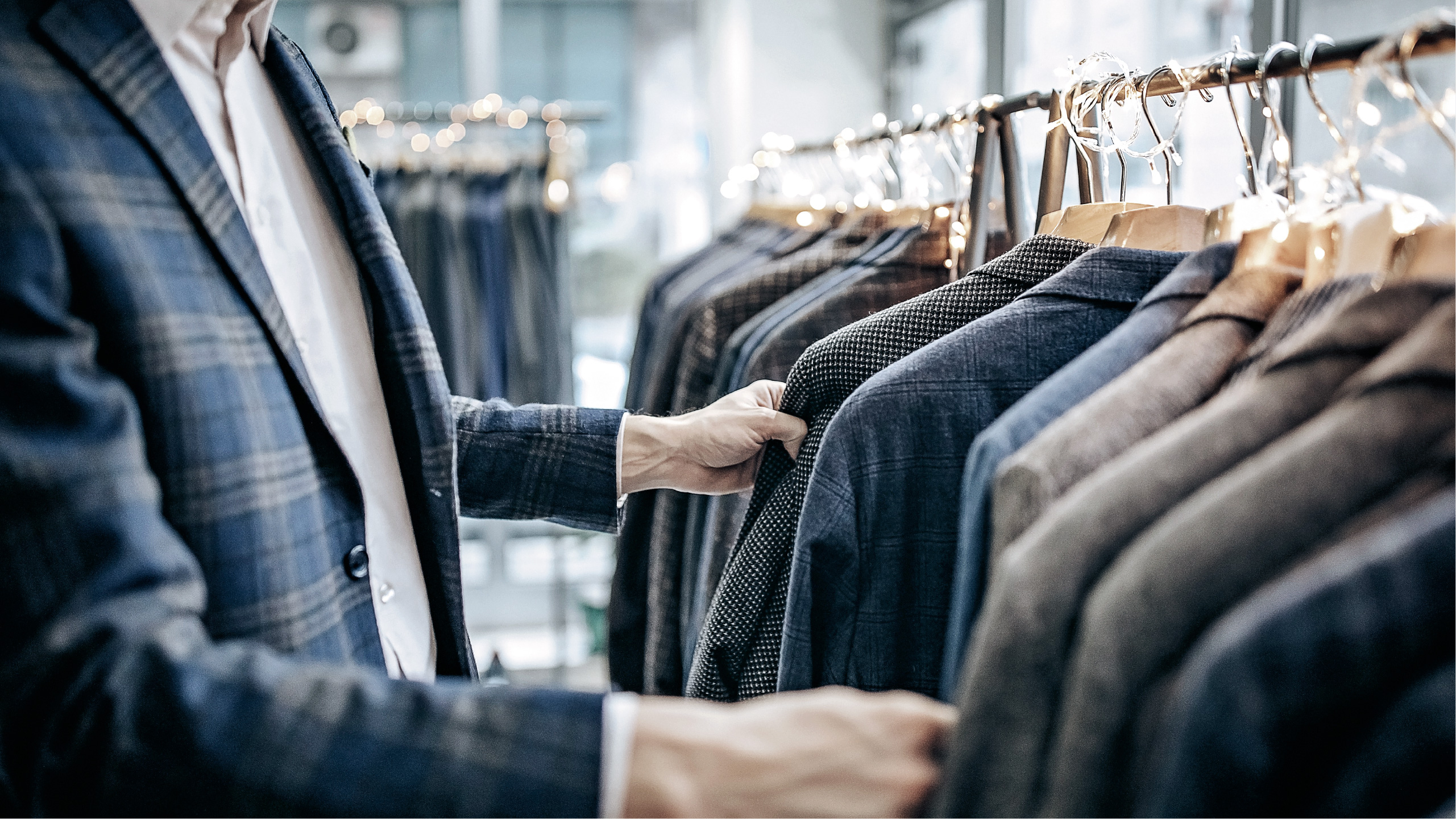

The fashion landscape is witnessing a seismic shift that few industry experts predicted two decades ago. For nearly half a century, the retail model was built on a foundation of linear consumption: design, produce, sell, and discard. However, the rise of the circular economy has disrupted this cycle. Recent market data suggests that the secondhand clothing market is growing at a rate significantly faster than traditional retail, including the once-dominant fast fashion sector. This phenomenon is not merely a passing trend but a fundamental change in how consumers perceive value, ownership, and the lifecycle of a garment.
The Economic Appeal of Pre-Loved Luxury
In an era defined by fluctuating economic stability and rising costs of living, the financial incentive of thrifting cannot be overstated. Consumers are increasingly aware that retail prices often include a significant markup for branding, marketing, and physical storefront overhead. By turning to resale platforms, buyers can access high-quality materials and prestigious brand names at a fraction of their original cost.
This economic shift has democratized luxury. A decade ago, owning a designer coat or a high-end handbag was a privilege reserved for the wealthy. Today, through peer-to-peer marketplaces and curated consignment shops, a middle-income college student or a young professional can acquire those same pieces. This value-driven mindset has transformed clothing from a depreciating asset into a tradable commodity. Many shoppers now buy items with the explicit intention of reselling them later, effectively “renting” high-fashion looks for the cost of the price difference.
The Environmental Imperative and Conscious Consumerism
Perhaps the strongest driver behind the surge in secondhand shopping is the growing awareness of the environmental cost of the fashion industry. Modern consumers, particularly Gen Z and Millennials, are acutely aware that the apparel industry is one of the worlds largest polluters. The production of a single cotton t-shirt can require thousands of gallons of water, and the synthetic dyes used in fast fashion often contaminate local water systems in manufacturing hubs.
Thrifting offers a guilt-free alternative. By purchasing a garment that already exists, the consumer is effectively:
-
Extending the Lifecycle: Keeping a piece of clothing in circulation for an extra nine months can reduce its carbon, water, and waste footprint by up to 30 percent.
-
Reducing Landfill Waste: Millions of tons of textiles are discarded every year. Thrifting diverts these items from landfills and gives them a second life.
-
Decoupling Growth from Extraction: Resale allows the fashion industry to generate economic value without the need to extract more raw materials from the earth.
This shift toward conscious consumerism has turned “vintage” and “thrifted” into badges of honor. Where secondhand clothes once carried a stigma of financial struggle, they now signal an individuals commitment to environmental stewardship and ethical consumption.
The Quest for Individuality in a Mass-Produced World
The rise of the internet and globalized retail has created a world of aesthetic homogeneity. One can walk into a shopping mall in New York, London, or Tokyo and find the exact same inventory in the windows of major fast-fashion chains. For many style enthusiasts, this lack of originality has led to “aesthetic fatigue.”
Thrifting and resale provide the ultimate solution to this problem. A thrift store is a treasure hunt where every item is unique. Shoppers are drawn to the thrill of finding a one-of-a-kind vintage piece that no one else in their social circle will own. This pursuit of “the find” has turned shopping into a form of self-expression and storytelling. A vintage denim jacket from the 1980s or a handmade silk scarf from the 1960s carries a history and a character that a mass-produced item from a modern assembly line simply cannot replicate.
The Role of Technology and the Digital Marketplace
The transition from retail to resale has been accelerated by the sophistication of digital platforms. In the past, thrifting required a physical trip to a local store and hours of sifting through racks. While that experience still appeals to many, technology has made secondhand shopping as convenient as traditional e-commerce.
Platforms like Depop, Poshmark, ThredUp, and The RealReal have revolutionized the industry by:
-
Curation and Searchability: Users can now filter millions of secondhand items by size, brand, color, and condition, making it easier to find specific pieces than in a traditional retail store.
-
Social Connectivity: Many resale apps function like social media networks, where users can follow their favorite “sellers,” comment on items, and build a community around shared style preferences.
-
Authentication Services: For the luxury market, platforms now offer rigorous authentication processes, removing the fear of purchasing counterfeit goods which was once a major barrier to high-end resale.
The Response of the Traditional Retail Industry
Traditional retailers are not oblivious to this shift. Many legacy brands have realized that if they do not participate in the resale market, they will lose market share. We are now seeing an unprecedented number of “buy-back” programs where brands like Patagonia, Levi’s, and Eileen Fisher encourage customers to return used items in exchange for store credit. These brands then refurbish and resell the items under their own “pre-owned” labels.
This integration of resale into the primary retail model proves that the circular economy is becoming the new standard. It allows brands to maintain a relationship with their customers throughout the entire lifecycle of a product, rather than just at the point of the initial sale. It also forces designers to focus on “durability by design,” creating clothes that are high enough in quality to survive multiple owners.
The Future of the Wardrobe
As resale continues to outpace retail, the concept of a “wardrobe” is evolving. The future of fashion is likely a hybrid model where consumers buy high-quality, timeless basics new, and supplement their style with thrifted statement pieces and luxury resale items. This approach balances the need for new production with the necessity of conservation.
The rise of thrifted fashion is more than just a reaction to economic or environmental pressure; it is a movement toward a more thoughtful, creative, and responsible relationship with the things we wear. By valuing the past, we are creating a more sustainable future for the fashion industry.
Frequently Asked Questions
How can I tell if a thrifted item is high quality before buying it?
Look at the interior seams and the fabric composition tag. High-quality garments usually have finished or French seams and are made of natural fibers like wool, silk, or cotton. If the stitching is loose or the fabric feels excessively thin and synthetic, it may not last through many more wears.
Are there hygiene concerns with buying secondhand clothing?
Standard hygiene practices are sufficient for most thrifted items. Most professional resale platforms and consignment shops steam or clean items before listing them. For the consumer, washing clothes on a warm cycle or taking them to a dry cleaner after purchase eliminates any lingering bacteria or odors.
Why are some thrift store prices increasing lately?
The phenomenon of “thrift flipping,” where people buy low-priced items to resell them for a profit online, has increased demand. Additionally, as thrifting has become more popular, many charitable organizations have increased prices to cover rising operational costs and to better reflect the market value of the items they receive.
How does thrifting help the local community?
Many thrift stores are operated by non-profit organizations. The proceeds from your purchase often go toward funding community programs, such as job training, housing assistance, or healthcare services. By shopping there, you are directly supporting local social initiatives.
Is it ethical for people who can afford retail to shop at thrift stores?
There is an ongoing debate about this, but generally, there is a massive surplus of clothing in the world. Most thrift stores have more inventory than they can sell, and a significant portion of donated clothing still ends up in landfills. More people participating in the secondhand economy helps normalize the practice and keeps more textiles in circulation.
What are the best items to look for when starting to thrift?
Outerwear, such as coats and blazers, and accessories like belts and handbags are excellent starting points. These items tend to be more durable and their sizing is more forgiving than trousers or fitted dresses, making them easier to find and style.
Can I find modern trends in thrift stores?
Yes. Because the fashion cycle is moving so quickly, items that were in retail stores just six months ago often end up in thrift shops or on resale apps. Additionally, because modern trends often cycle back to previous decades, you can find original vintage pieces that look exactly like what is currently being sold as new.

Comments are closed.