
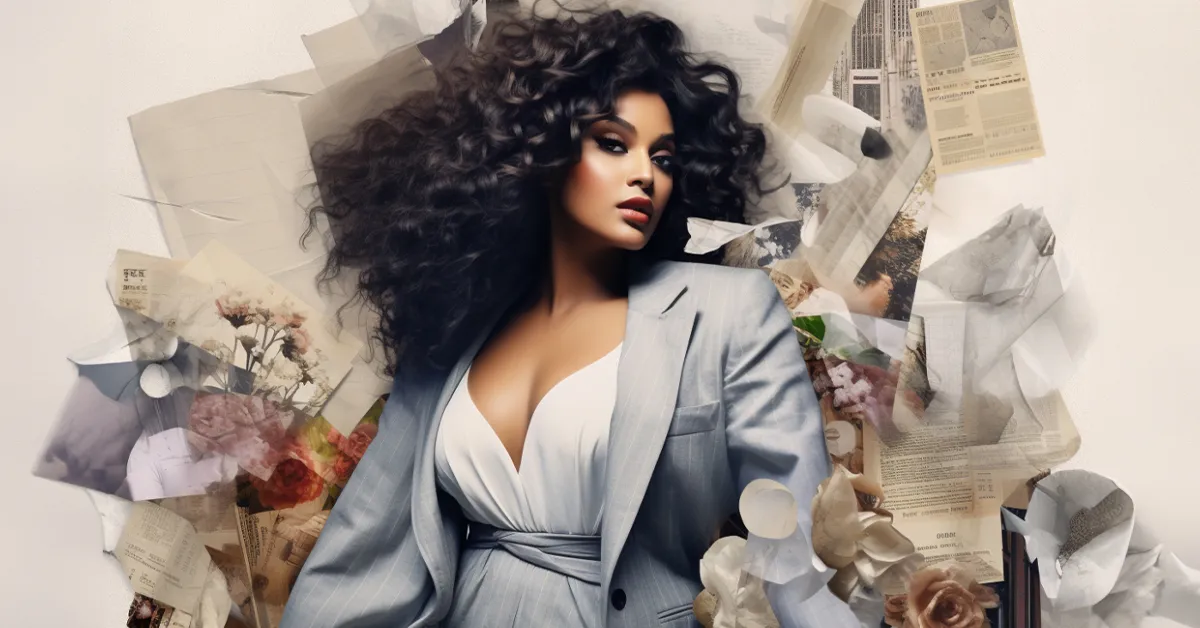

Fashion is often viewed as a superficial endeavor, a fleeting carousel of trends designed to be consumed and discarded. However, at its core, the way we dress is one of the most intimate forms of self-expression. It is the “second skin” we choose to present to the world. When the principles of mindfulness—presence, intentionality, and non-judgmental awareness—are applied to our wardrobes, the act of getting dressed transforms from a mindless chore into a powerful ritual of self-care and ethical alignment.
Mindfulness in fashion is not about following a specific aesthetic or owning a minimal number of items. Instead, it is about the relationship we have with our clothing. It involves a shift from impulsive consumption to conscious curation, where every garment is chosen with an awareness of how it feels, what it represents, and the impact its creation had on the planet. This connection between the internal state of the mind and the external expression of the body is a burgeoning field of interest for psychologists and stylists alike.
The Psychology of Enclothed Cognition
To understand why mindfulness matters in fashion, we must first look at the psychological concept of enclothed cognition. This term describes the systematic influence that clothes have on the wearer’s psychological processes. It suggests that the attributes we associate with specific garments actually change the way we think and perform. For example, wearing a lab coat has been shown to increase focus and attention to detail because we associate that garment with scientific precision.
When we practice mindfulness, we become acutely aware of these shifts. Instead of grabbing the first clean shirt on the hanger, a mindful approach involves checking in with oneself: “How do I feel this morning? What do I need from my clothing today?” A person feeling anxious might reach for soft, oversized textures that provide a sense of physical security and grounding. Conversely, someone preparing for a difficult negotiation might choose structured fabrics and bold silhouettes to evoke a sense of internal strength and authority. By being present in the moment of selection, we use fashion as a tool to regulate our emotional state.
Breaking the Cycle of Impulsive Consumption
The modern fashion industry is built on a model of speed and obsolescence. Fast fashion brands release dozens of collections a year, designed to trigger a “buy now” impulse in consumers. This cycle is the antithesis of mindfulness. It relies on a state of mindlessness where shoppers seek a temporary dopamine hit through a purchase, often without considering if the item fits their personal style or if they even need it.
Mindfulness interrupts this “see-want-buy” loop. It encourages a pause between the impulse and the action. When we shop mindfully, we ask deeper questions:
-
Does this item align with my authentic self, or am I buying it because it is a trend?
-
What is the quality of this fabric? Will it last for years or fall apart after three washes?
-
Do I know who made this garment and under what conditions?
By fostering this awareness, fashion choices become an extension of our values. The shift toward “slow fashion” is essentially the manifestation of mindfulness in the marketplace. It prioritizes quality over quantity and ethics over convenience. When we choose to buy less and choose better, we reduce the mental clutter of an overflowing closet and the environmental burden of textile waste.
Tactile Awareness and Physical Comfort
Mindfulness is rooted in the body. In meditation, one might focus on the sensation of breath or the feeling of feet on the floor. In fashion, mindfulness manifests as an appreciation for the tactile experience of clothing. Many people spend their days in garments that are slightly too tight, itchy, or restrictive, often sacrificing physical comfort for a perceived social standard.
A mindful connection to fashion prioritizes how a garment feels against the skin. This sensory awareness can significantly impact daily stress levels. Breathable natural fibers like organic cotton, linen, and silk allow the body to regulate temperature more effectively than synthetic polyesters. When we are physically comfortable, our nervous system is less likely to remain in a state of low-grade irritation. Dressing mindfully means honoring the body’s need for ease, recognizing that physical restriction often leads to mental restriction.
Dopamine Dressing and Intentional Joy
A significant trend in the intersection of mental health and style is dopamine dressing. This practice involves intentionally choosing colors, patterns, and textures that boost your mood. While it may sound like a modern buzzword, it is deeply rooted in color psychology and mindfulness.
Mindfulness teaches us to notice what brings us joy. For one person, a bright canary yellow sweater might evoke feelings of optimism and energy. For another, a monochromatic navy ensemble might provide a sense of calm and clarity. By paying attention to these internal responses, we can curate a wardrobe that acts as a functional support system for our mental well-being. Rather than dressing to disappear or to conform, mindful fashion encourages dressing to thrive.
The Wardrobe as a Reflection of the Internal Journey
As we grow and change, our fashion choices often mirror our internal evolution. A mindful approach to the closet involves a regular “clearing of the space.” This isn’t just about cleaning; it’s about acknowledging which pieces no longer serve the person you are becoming.
Letting go of clothes that are tied to old identities, past mistakes, or unrealistic body expectations can be a profound emotional release. When we curate our space with intention, we ensure that every time we open our closet, we are met with items that affirm our current self. This creates a sense of harmony between who we are on the inside and how we appear on the outside, reducing the “cognitive dissonance” that occurs when our external image feels like a lie.
Sustainability as a Mindful Practice
Finally, the connection between mindfulness and fashion extends to our relationship with the world. A mindful person recognizes their interconnectedness with the environment and other human beings. It becomes difficult to ignore the human cost of a five-dollar t-shirt when you are practicing radical awareness.
Mindful fashion choices involve researching brand transparency, supporting fair-trade practices, and embracing the circular economy through thrifting and upcycling. It is the realization that our clothes carry a history and a future. By choosing sustainable pieces, we practice “ahimsa” (non-harm), ensuring that our desire for self-expression does not come at the expense of someone else’s well-being or the health of the planet.
Frequently Asked Questions
How does mindfulness help reduce decision fatigue when getting dressed?
Mindfulness encourages the creation of a “capsule” or curated wardrobe consisting of pieces you truly love and that fit well. By removing the “fluff” and items you wear out of guilt, you limit your choices to high-quality options that align with your style. This clarity significantly reduces the mental energy required to choose an outfit each morning.
Can dressing mindfully actually lower my stress levels?
Yes. By choosing fabrics that are physically comfortable and styles that make you feel confident, you remove external stressors like restrictive waistbands or itchy labels. Furthermore, the act of intentionally choosing an outfit can serve as a grounding morning ritual, setting a calm tone for the rest of the day.
Is mindful fashion only for people who like a minimalist aesthetic?
Not at all. Mindfulness is about awareness, not a specific look. You can be a “mindful maximalist” who loves bold colors and complex layers, provided those choices are intentional and bring you genuine joy, rather than being impulsive purchases driven by external trends.
What is the first step to becoming more mindful about my fashion choices?
The simplest first step is to perform a “closet audit” with a focus on sensation. Go through your clothes and notice which items make you feel energized, which make you feel drained, and which you haven’t touched in a year. Understanding your current relationship with what you own is the foundation for making better choices in the future.
How does mindful fashion impact my budget?
While mindful fashion often involves investing in higher-quality (and sometimes higher-priced) items, it usually leads to long-term savings. By stopping the cycle of “disposable” fashion and impulsive buying, you spend less money on garments that you’ll only wear once or twice, eventually building a wardrobe that lasts for years.
Does mindfulness in fashion include how I care for my clothes?
Absolutely. A mindful approach extends to the entire lifecycle of the garment. This includes washing clothes at lower temperatures to preserve fibers, learning basic mending skills to extend the life of a piece, and choosing eco-friendly detergents. Caring for what you own is a form of gratitude for the resources used to create it.
How do I handle the social pressure to always wear something new?
Mindfulness helps you build internal validation. When you are secure in your style and the values behind your choices, the need for the “newness” high fades. You begin to see repeating outfits as a sign of a successful, well-loved wardrobe rather than a social faux pas.

Comments are closed.