
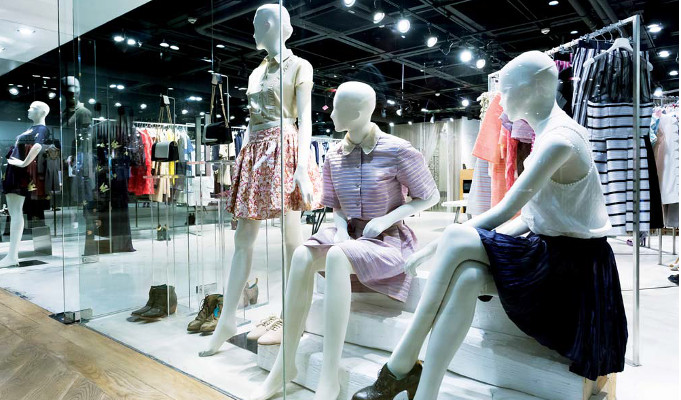

In the highly competitive world of retail, boutiques must go beyond simply showcasing products. They must create an environment that resonates with the customer on an emotional and sensory level. While color and lighting often take center stage in visual merchandising discussions, texture is a powerful, silent communicator that defines the physical and psychological atmosphere of a store. Texture refers to the surface quality of materials used in displays, from the roughness of reclaimed wood to the sleek coolness of polished marble. When used strategically, texture adds depth, influences brand perception, and encourages customers to interact with the merchandise.
The Psychological Impact of Texture on Consumers
Texture is unique because it engages both the visual and tactile senses. Even before a customer touches a surface, their brain processes the visual cues of a texture and anticipates how it would feel. This phenomenon, known as visual texture, can evoke specific moods and expectations. For example, soft, plush textures like velvet or thick wool carpets suggest comfort, warmth, and luxury. In contrast, smooth, glossy surfaces like glass and chrome communicate modernity, efficiency, and cleanliness.
By carefully selecting textures, boutique owners can align their physical space with their brand identity. A high-end jewelry boutique might use silk-lined trays and brushed gold fixtures to emphasize elegance. A sustainable clothing brand might opt for raw linen backdrops and cork shelving to signal authenticity and environmental consciousness. These tactile cues help the customer understand the price point and the lifestyle associated with the brand without a single word being spoken.
Creating Visual Depth and Contrast
One of the primary challenges in boutique display is preventing a flat or monotonous look. Texture provides the necessary contrast to make products stand out. A monochromatic display—where all items are the same color—can be incredibly sophisticated, but it risks becoming boring if the materials are identical. By varying textures within a single color palette, a merchandiser can create a rich, multi-layered experience.
-
Matte vs. Glossy: Placing a matte leather handbag against a high-gloss acrylic stand creates a sharp contrast that draws the eye directly to the product.
-
Rough vs. Smooth: Using a weathered wooden table to display delicate lace garments highlights the intricate details of the fabric through the juxtaposition of the rugged and the refined.
-
Heavy vs. Light: Pairing heavy industrial steel racks with light, airy chiffon scarves creates a dynamic tension that makes the display more visually engaging.
The Power of the Endowment Effect
In retail psychology, the endowment effect suggests that once a person touches or holds an object, they begin to feel a sense of ownership over it. This psychological shift significantly increases the likelihood of a purchase. Texture is the primary driver of this interaction. If a display features inviting textures, customers are more likely to reach out and touch the products.
Boutique displays should be designed to remove the “invisible barrier” between the customer and the goods. Instead of placing items behind glass or on high, unreachable shelves, boutiques can use tactile surfaces that encourage exploration. A countertop made of warm, natural wood is more inviting for a customer to rest their hands on while looking at accessories than a cold, sterile plastic surface. By making the environment physically welcoming, the display strategy naturally leads to higher engagement levels.
Incorporating Texture into Different Display Zones
Effective visual merchandising requires a cohesive strategy that carries through various zones of the boutique. Each area serves a different purpose, and the textures used should reflect those goals.
The Window Display
The window is the first point of contact and must grab attention from a distance. Large-scale textures work best here. Using 3D textured wall panels or oversized fabric drapes can create shadows and highlights that make the window pop even under bright streetlights.
The Entry Way
As customers transition from the street into the boutique, the texture underfoot changes their pace. A transition from hard pavement to a soft, high-pile rug can physically slow a customer down, signaling that they have entered a relaxed, premium space.
The Feature Wall
This is where the most important or newest items are displayed. Using an accent texture, such as a brick veneer, reclaimed wood slats, or upholstered fabric panels, creates a focal point. This architectural texture acts as a frame for the products, ensuring they are not lost in the larger store environment.
The Fitting Rooms
Often overlooked, the fitting room is where the final purchase decision is made. Textures here should be the most comforting. Soft curtains instead of hard doors, cushioned seating, and high-quality wall coverings can make the customer feel pampered and more confident in their selection.
Material Selection and Brand Storytelling
The choice of materials is the most direct way to implement a texture strategy. Modern boutiques are increasingly moving away from standard retail fixtures in favor of “found” or custom materials that tell a story.
-
Natural Elements: Stone, wood, and clay bring an organic feel to a space. These are excellent for brands focusing on wellness, sustainability, or artisanal craftsmanship.
-
Industrial Materials: Concrete, exposed piping, and expanded metal mesh provide a gritty, urban vibe. This is often used in streetwear boutiques or modern minimalist shops.
-
Luxurious Fabrics: Velvet, silk, and suede are staples of luxury retail. They absorb sound, making the boutique feel quieter and more exclusive.
-
Modern Synthetics: Neoprene, frosted acrylic, and 3D-printed plastics can be used to create a futuristic or avant-garde atmosphere.
Balancing Texture with Lighting
Texture and lighting are inseparable. The way light hits a surface determines how that texture is perceived. Direct, harsh lighting can make rough textures look jagged and unappealing, while soft, diffused light can enhance the richness of a fabric.
To highlight texture in a boutique, use layered lighting. Ambient lighting provides the general brightness, while accent lighting—like spotlights—should be positioned at an angle to create “raking light.” This technique casts small shadows across the surface of a textured material, emphasizing its three-dimensional quality. For example, a spotlight aimed across a stone wall will reveal every crack and crevice, adding immense visual character to the backdrop of a display.
Conclusion
Texture is not merely a decorative afterthought; it is a fundamental pillar of boutique display strategy. By understanding the psychological effects of different surfaces and using them to create contrast and depth, boutique owners can craft a sensory experience that resonates with their target audience. Whether it is through the warmth of natural wood or the sleekness of modern metals, the right combination of textures can transform a simple retail space into a memorable brand destination.
FAQ
How does texture influence the perceived value of a product?
Texture plays a critical role in how customers estimate the price and quality of an item. Heavier, denser, and more complex textures—such as thick grain leather or heavy woven fabrics—are often associated with durability and high craftsmanship. Conversely, thin or overly smooth synthetic textures can sometimes be perceived as cheaper. By placing products on high-quality textured surfaces, boutiques can subconsciously elevate the perceived value of the merchandise.
Can too much texture be a bad thing in a boutique?
Yes, excessive use of competing textures can lead to “sensory overload.” If every surface in a boutique is highly textured, the eye has nowhere to rest, and the products themselves may get lost in the visual noise. The key is balance; use busy textures as accents against more neutral, smooth backgrounds to ensure the products remain the primary focus.
Which textures are best for a minimalist boutique design?
Minimalism does not mean a lack of texture; it means the intentional use of a few high-quality surfaces. For a minimalist look, focus on subtle textures like honed concrete, matte-finished metals, or light-colored natural woods with a fine grain. These materials add interest without cluttering the visual field.
Does the texture of the flooring affect how long customers stay in a store?
Absolutely. Hard flooring like polished concrete or tile encourages faster movement, which is why it is often used in high-traffic areas. Softer flooring, such as carpeting or thick rugs, physically slows people down and reduces foot fatigue. In a boutique setting, placing soft textures in browsing areas can increase “dwell time,” giving customers more time to look at and connect with the products.
How can a boutique on a budget implement a texture strategy?
Texture does not have to be expensive. Small changes can make a big impact. Using textured wallpaper on a single accent wall, adding fabric runners to existing shelving, or incorporating natural elements like dried branches or stones into displays are cost-effective ways to introduce new tactile elements.
Is texture more important for certain types of boutiques?
While important for all, texture is paramount for apparel and home decor boutiques where the physical “feel” of the product is a primary selling point. In these environments, the display textures must complement the product textures to create a cohesive sensory narrative. For instance, a boutique selling high-end linens would benefit significantly from using natural, breathable textures in its display fixtures.
How does texture affect the acoustics of a retail space?
Acoustics are a hidden part of the boutique experience. Hard surfaces reflect sound, creating an echo that can feel energetic but also noisy and distracting. Soft textures like fabric wall panels, carpets, and heavy drapes absorb sound, creating a “hushed” atmosphere. This quietness is often associated with luxury and provides a more intimate, private shopping experience for the customer.

Comments are closed.