
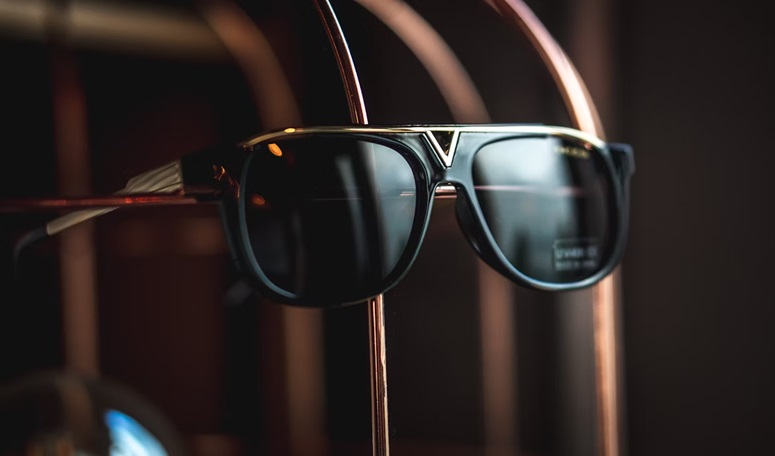

Designer sunglasses carry more weight than most accessories. They aren’t only practical for shielding your eyes; they’re bound up with culture, personality, and memory. The right pair can conjure images of a film star stepping out of a convertible, a musician on stage, or a figure from history whose style became inseparable from their shades.
What makes them so enduring is the blend of function and identity. Sunglasses are one of the few items that can completely change how a person is perceived in an instant. They can project mystery, confidence, authority, or playfulness — all without a word being spoken. Over the decades, a handful of designs have risen above the endless churn of trends to become true icons.
These frames are recognisable at a glance and instantly transport us to the era or attitude they represent. From mid-century rebels and Italian film stars to country heritage brands and cutting-edge sports culture, the best sunglasses live far beyond the seasons in which they first appeared.
Ray-Ban Wayfarer
Few frames carry the weight of history quite like the Wayfarer. First released in 1952, Ray-Ban’s angular acetate design broke away from the wire frames of the era, bringing a modern, rebellious look that quickly found favour with artists, musicians, and actors. James Dean wore them, as did Bob Dylan. By the 1980s, after a clever placement in films such as The Blues Brothers and Risky Business, the Wayfarer was firmly etched into popular culture. Its shape is instantly recognisable and has been copied endlessly, yet the original still feels relevant today. A pair of Wayfarers adds edge to almost any outfit without ever looking overdone.
Persol 714
If the Wayfarer is the rebel, the Persol 714 is the connoisseur’s choice. Made famous by Steve McQueen, who wore them both on and off screen, these folding frames are a triumph of design and engineering. Persol’s signature arrow motif on the temples and the clever mechanism that allows the arms to collapse neatly into a compact shape give them a distinctive character. McQueen’s fondness for the blue-tinted lenses in particular gave the model cult appeal. The 714 represents a marriage of Italian craftsmanship and functional brilliance, proving that sunglasses can be both practical and undeniably stylish.
Gucci Oversized Frames
Gucci has always understood drama, and nowhere is that clearer than in their oversized sunglasses. In the 1970s, the fashion house embraced bold, square silhouettes that immediately became associated with glamour and confidence. These frames demand attention and were favoured by icons from Jackie Kennedy Onassis to modern-day celebrities. Their appeal lies in their ability to balance statement-making size with refined detailing. Contemporary Gucci versions often play with colour, texture, and logo work, but the essence remains the same: big, unapologetic shades that exude confidence.
Oakley Sports Frames
Not every enduring style comes from the catwalk. Oakley’s sports frames, particularly the wraparound designs that surged in popularity in the 1990s, have carved their own space in fashion history. Originally created for athletes who needed high-performance eyewear, Oakley shades quickly moved beyond cycling and skiing to become a pop culture phenomenon. Musicians, streetwear enthusiasts, and trendsetters adopted them, and their futuristic edge has seen them cycle back into fashion again in recent years. They may not have the classic elegance of Persol or Ray-Ban, but their place in the top tier is undeniable thanks to their innovation and cultural footprint.
Barbour Sunglasses
When talking about icons, it’s important to look at brands that have built their reputation on heritage. Barbour is best known for its wax jackets and country attire, but Barbour sunglasses bring that same ethos of British durability and understated style into eyewear. They combine practicality with timeless design, favouring clean lines and versatile frames that suit both rural and urban settings. Unlike some designer shades that lean heavily on flash and logos, Barbour keeps things refined. This makes them a favourite for those who value subtle sophistication over trend-driven pieces.
The connection to Barbour’s wider brand identity also plays a role in their appeal. These are sunglasses designed for real life — driving through the countryside, spending a day outdoors, or pairing with smart-casual city wear. In an era where authenticity matters, Barbour sunglasses deliver on both form and function without shouting for attention.
What ties all of these designs together is their ability to transcend passing trends. Each has roots in a particular time and place — the rebellious post-war years, Italian cinematic cool, American sports culture, or the quiet confidence of British heritage — but they all retain relevance decades later.
Sunglasses are one of the rare accessories that can transform a look instantly. Put on a pair of Wayfarers and you carry the swagger of rock and roll. Slip into oversized Gucci frames and you step into the world of high fashion. Reach for Barbour sunglasses and you project a grounded, classic elegance. These aren’t fleeting fads; they’re cultural touchstones.
The world of designer sunglasses is vast, but only a handful of styles achieve true timelessness. The five above — Ray-Ban Wayfarer, Persol 714, Gucci oversized frames, Oakley sports designs, and Barbour’s understated classics — have each left a permanent mark on fashion history. They remind us that the best sunglasses are not only about how they look, but also about what they represent: individuality, craftsmanship, and a story worth carrying forward.

Comments are closed.